Best Substrates for Growing Cryptocoryne in Low-Light Aquascapes
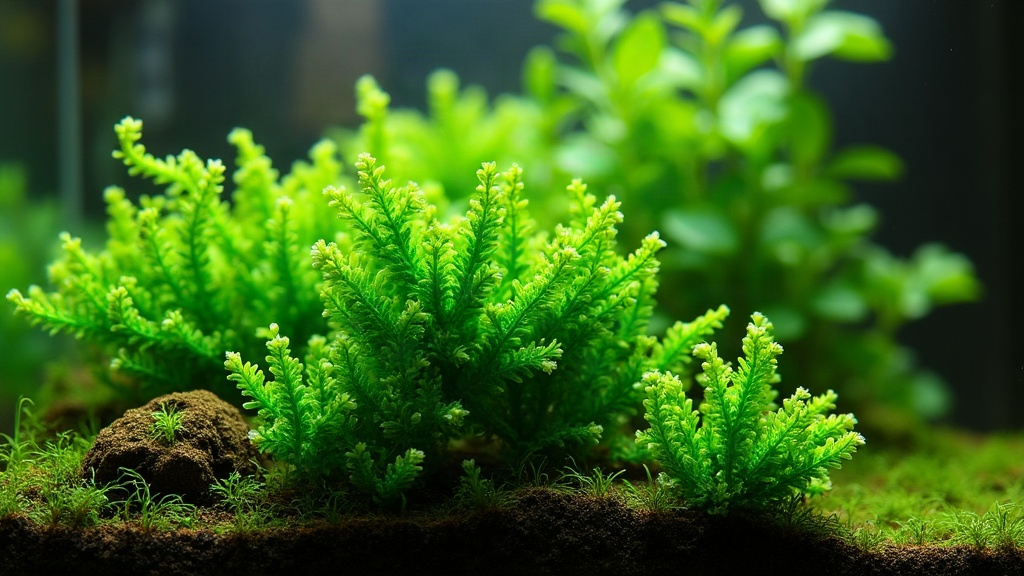
Cryptocoryne is one of the rare genera that actually does well in low-light aquascapes, but here’s the catch: its success has way more to do with what’s under the substrate surface than what’s hanging over the tank. The best substrates for growing Cryptocoryne in dim setups are nutrient-rich, fine-grained aqua soils like ADA Amazonia, Tropica Aquarium Soil, or Fluval Stratum, ideally layered over a mineral base or paired with root tabs so the plant’s sprawling root system gets fed steadily over months, not weeks.
Why Substrate Matters More Than Light for Crypts
Stem plants mostly feed through the water column. Crypts don’t work that way. They’re root feeders, through and through. In the wild you’ll find them tucked into slow-moving streams and swampy margins, growing in thick, silty sediment under dim, filtered light that barely flickers through the canopy. If you want to copy their natural success, copying that sediment matters far more than copying the light. A well-chosen substrate will outperform fertilizer dosing almost every time when light is limited.
A good substrate for crypts should offer:
- Fine grain size (1-3mm) so roots can anchor without huge air gaps
- Nutrient content, especially iron, potassium, and trace elements
- Stable pH buffering in the slightly acidic range (6.0-7.0)
- Longevity, since crypts grow slowly and hate being uprooted every few months
Top Substrate Options
1. ADA Amazonia (Aqua Soil)
Still the benchmark. It’s soft, loaded with nutrients, and nudges pH and KH down a touch, exactly the chemistry crypts seem to enjoy. The catch: it tends to spike ammonia hard during the first few weeks of cycling. Don’t plant your crypts on day one. Give the tank two to three weeks to settle before adding anything, even the hardy species.
2. Tropica Aquarium Soil
Think of this as ADA’s calmer cousin. Less of an initial nutrient dump, more forgiving for people who don’t want to babysit a cycling tank. If you’re new to aqua soils and nervous about an ammonia spike wrecking your first livestock, this is the safer bet.
3. Fluval Stratum
Light, porous, and surprisingly good at holding onto nutrients. Roots push through it easily. It’s also one of the cheaper aqua soils on the market, which makes it a solid pick for low-tech, low-light tanks where you’re not trying to break the bank.
4. Mineral Substrate + Root Tabs
Prefer plain gravel or sand? Easier to vacuum, won’t cloud the water if disturbed. Fine, just bury root tabs (Seachem Flourish Tabs work well) right at the root zone of each crypt cluster. It’s a cheap workaround that fakes nutrient-rich sediment without paying for a full bag of aqua soil.
DIY Layering Method for Budget Tanks
Want nutrient-dense soil without the premium sticker price? Try this:
- Lay down a thin layer of plain organic topsoil (no additives, no fertilizer pellets, no perlite), about 1-2 cm deep.
- Cap it with 4-5 cm of fine inert sand or gravel so nutrients don’t leach straight into the water column.
- Push in root tabs near the crypt clusters every 3-4 months to keep the nutrient supply going.
This combo works especially well in dim tanks because it feeds the roots directly while keeping the water column lean, which means less fuel for algae.
Avoiding “Crypt Melt” During Substrate Changes
Anyone who’s kept crypts for more than a month has probably seen a tank full of mushy, dissolving leaves after a water change or substrate swap. It’s called crypt melt, and it’s almost a rite of passage. To keep it from wrecking your scape:
- Let new substrate sit submerged and settle for 3-5 days before planting into it
- Once crypts are rooted, leave them alone. They hate being disturbed.
- Keep temperature, pH, and hardness steady through any transition
- If melt happens anyway, don’t panic and don’t rip anything out. Fresh, better-adapted leaves usually come back within 2-4 weeks.
Substrate Depth Recommendations
Crypt roots go deep, deeper than most carpeting plants people are used to dealing with. A rough guide:
- Minimum depth: 5 cm (2 inches)
- Ideal depth: 7-8 cm (3 inches) for mature clumps
Skimp on depth and you’ll choke the root spread, even if the nutrient content is perfect. Shallow substrate is one of the most common reasons crypts stall out and never bulk up.
Best Low-Light Crypt Species to Pair With These Substrates
- Cryptocoryne wendtii - tough as nails, forgiving, a great starting point
- Cryptocoryne parva - tiny, slow-growing, perfect for a dim foreground
- Cryptocoryne beckettii - handles varied water chemistry, does fine under 20-30 PAR
Conclusion
If there’s one takeaway here: forget about chasing more watts. Growing Cryptocoryne in a low-light aquascape comes down to what’s in the substrate, not what’s over the tank. ADA Amazonia and Tropica Soil give you the best results straight out of the bag, while a layered DIY soil-and-sand setup with root tabs gets you most of the way there for a fraction of the cost. Pick fine grain, go deep enough, keep things stable, and let the roots do the work. Crypts reward patience and a well-fed substrate far more than they’ll ever reward a brighter light fixture.