Lava Rock, Dragon Stone & Seiryu Stone for Shrimp Aquascapes
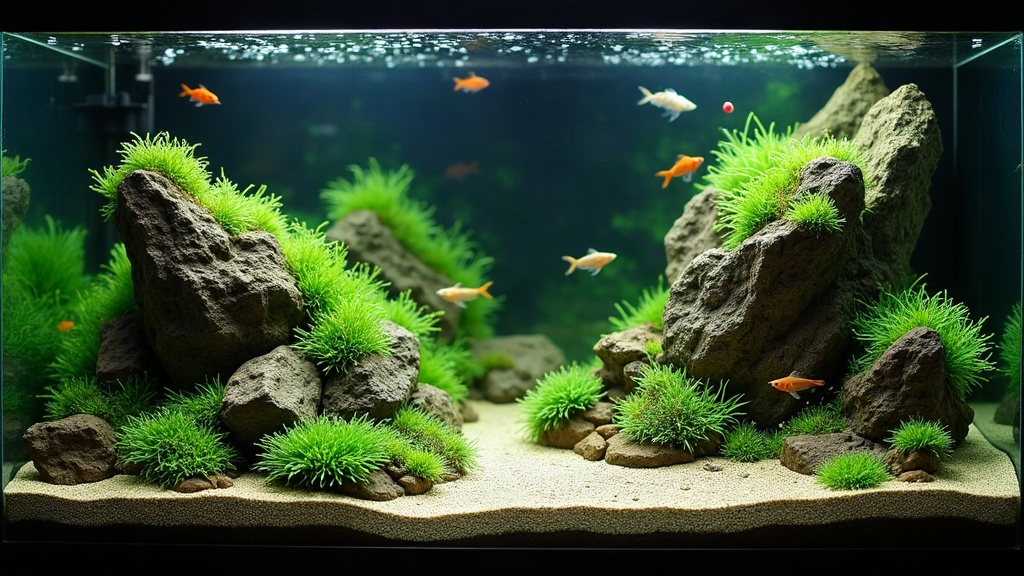
Choosing the right hardscape can make or break a shrimp aquascape. Lava rock, dragon stone (Ohko stone), and Seiryu stone each bring a different look, a different chemical footprint, and a different biological payoff to a tank. Pick the wrong one for your shrimp species and you’ll spend the next three months fighting your water parameters instead of enjoying your tank. This guide breaks down how each stone behaves in a shrimp setup, which species they actually suit, and how to prep and arrange them so you end up with something healthy and good-looking.
Why Hardscape Choice Matters for Shrimp
Shrimp react to water chemistry swings far more dramatically than most fish ever will. Caridina species (Crystal Red, Bee shrimp, Tiger shrimp) generally want soft, slightly acidic to neutral water. Neocaridina species (Cherry shrimp, Blue Dream) are more forgiving and can handle harder, more alkaline conditions without blinking. The rock sitting in your tank can push GH, KH, and pH around over time, sometimes by a lot, so matching stone to shrimp type isn’t just about looks. It’s a foundational decision that affects whether your colony survives.
Lava Rock: Porous, Biofilm-Rich, and Budget-Friendly
Lava rock (volcanic rock) is about as shrimp-friendly as hardscape gets.
- Chemical effect: Inert in most cases. It won’t meaningfully shift pH, GH, or KH, so it’s safe territory for both Caridina and Neocaridina setups.
- Biological benefit: That porous surface acts like a biofilm magnet. Shrimp spend hours grazing the algae and microfilm that build up in its holes and ridges, so it practically becomes a snack bar that never closes.
- Best use: Stack a few pieces into small caves and crevices where molting shrimp can hide. This matters a lot since shrimp are essentially defenseless for the first hours after shedding their exoskeleton.
- Prep tip: Scrub off loose dust, boil or soak for 24 to 48 hours, and run your fingers over it checking for sharp edges that could tear a shrimp’s delicate legs or antennae.
It’s also the cheapest of the three by a wide margin, often sold by the pound at garden centers for a few dollars. Just double-check it hasn’t been chemically treated before it goes anywhere near your tank.
Dragon Stone (Ohko Stone): Dramatic Texture, Mild Hardening Effect
Dragon stone, also known as Ohko stone, gets its reputation from that deeply pitted, miniature-mountain texture that makes iwagumi layouts look almost otherworldly.
- Chemical effect: It mildly raises KH and GH over time and can nudge pH upward too. That makes it a better fit for Neocaridina shrimp, which don’t mind harder water, than for soft-water Caridina species that do.
- Biological benefit: Like lava rock, it hosts biofilm in its pores, though less densely. Lava rock’s structure is lighter and airier, so it tends to colonize faster.
- Best use: Go for a handful of large, striking pieces rather than a pile of small ones. Dragon stone’s visual punch comes from scale and silhouette, not quantity.
- Caution: If you’re keeping sensitive Caridina shrimp (Crystal Reds, Taiwan Bees), check GH and KH monthly once dragon stone is in the tank, especially in smaller aquariums where mineral leaching has an outsized effect relative to water volume.
Seiryu Stone: Beautiful but Risky for Soft-Water Shrimp
Seiryu stone is a blue-gray, limestone-adjacent rock known for its sharp angular lines and crisp white veining. It’s a go-to for high-end iwagumi aquascapes, and for good reason, it looks incredible.
- Chemical effect: This is the one you need to watch. Seiryu stone contains calcium carbonate and can raise KH and pH significantly, sometimes for months after you add it. Drop a piece into a soft, acidic Caridina tank and it can undo all the careful parameter tuning you’ve done.
- Test before use: Put a drop of vinegar on a piece. If it fizzes visibly, that’s calcium carbonate reacting, and it tells you the stone will have a stronger hardening effect.
- Best use: Neocaridina tanks (Cherry, Blue Dream, Orange Sakura) handle Seiryu stone just fine since they’re already comfortable in harder, more alkaline water.
- Avoid for: Dedicated soft-water Caridina breeding tanks, unless you’re willing to actively fight the pH and KH drift with RO water and buffers on an ongoing basis.
Mixing Stones: What Works Together
You can mix these materials, but think through the chemistry before you start gluing things together.
- Lava rock + dragon stone: A solid combo for Neocaridina tanks. Lava rock gives shrimp grazing spots, dragon stone gives the tank its visual backbone.
- Lava rock alone: Probably your safest bet if you keep a mixed colony, or if your Caridina shrimp are on the fussier side.
- Avoid Seiryu + soft-water Caridina: Unless you’re committed to frequent testing and remineralization adjustments, this pairing usually ends badly.
Setup Tips for Any Shrimp Hardscape
- Cure new rock first. Soak it for several days, change the water daily, and test the runoff pH before it ever touches an established tank.
- Leave gaps, not just surfaces. Shrimp need tunnels and overhangs to feel secure, especially berried females and shrimp that just molted.
- Monitor parameters for 4 to 6 weeks after adding any new rock. Mineral leaching rarely shows up on day one; it creeps in over weeks.
- Pair with moss or biofilm boosters. Tie some Java moss or Mini Pellia onto your lava rock or dragon stone and you’ll speed up the microfilm growth shrimp depend on.
Conclusion
Lava rock remains the safest all-around pick for shrimp tanks thanks to its inert chemistry and biofilm-friendly surface. Dragon stone and Seiryu stone deliver stunning visuals, but that comes at the cost of raised hardness and pH, which makes them a better match for Neocaridina than for delicate Caridina species. Test any new stone’s reactivity before it goes in your tank, cure it the right way, and never skimp on hiding spots for molting shrimp. Get the hardscape chemistry right and you end up with both a tank worth photographing and a shrimp colony that actually thrives.