Aquascaping a 5-Gallon Desktop Tank With Bucephalandra and Moss
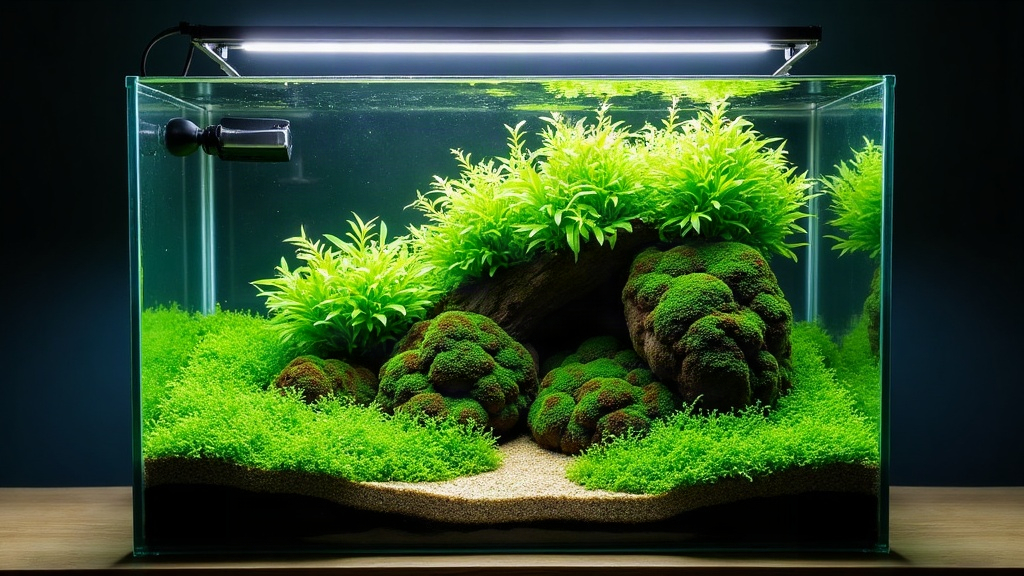
Bucephalandra and Moss: Building a Low-Tech Jungle in a 5-Gallon Desktop Tank
A 5-gallon desktop tank might be small, but it’s one of the most satisfying canvases in the hobby if you want a lush, jungle-style aquascape without turning your desk into a second job. Pair Bucephalandra with carpeting or mounted mosses and you get a hardy, low-tech layout that stays green and full for months. No CO2 injection, no fussy dosing schedule, just moderate light and a bit of patience. Here’s how to plan it, build the hardscape, plant it correctly, and keep it looking sharp instead of like an untrimmed hedge.
Why Bucephalandra and Moss Work So Well Together in Nano Tanks
These two plants just click. A few reasons why:
- Slow growth. Less pruning, less chance of a 5-gallon box turning into a green tangle within weeks.
- Rhizome and epiphytic habit. Neither needs to be planted in substrate, both attach to hardscape, which frees up open water for fish and shrimp to actually move around.
- Low light, zero CO2. A basic desktop LED is plenty. No pressurized gas tank sitting next to your keyboard.
- Textural contrast. Buce’s broad, sometimes metallic or ruffled leaves look striking next to the fine, feathery texture of moss. It’s the kind of contrast that makes a tiny tank look intentional rather than accidental.
This pairing also shrugs off the temperature swings and inconsistent light that desktop tanks often deal with, especially near a window or under office lighting that’s on a timer nobody controls.
Planning the Layout for a 5-Gallon Footprint
Before you buy a single plant, sketch out a hardscape plan on paper, even a rough one. In a tank this size, one piece of wood can dominate the entire scene, so restraint is the name of the game.
Choosing Hardscape
- 1 to 2 pieces of spiderwood or manzanita are ideal. Skip the big, chunky driftwood pieces that look great in a 40-gallon but swallow a 5-gallon whole.
- A few pieces of dragon stone or seiryu stone anchor the composition and create natural nooks where Buce rhizomes can tuck in.
- Follow the rule of thirds: push your focal point off-center and leave open swimming space on one side. Dead-center placement tends to look stiff.
Substrate Considerations
Since neither Buce nor moss roots in substrate, you’ve got room to improvise:
- A thin layer of inert sand or fine gravel does the job visually, nothing fancy needed.
- Planning to add background plants later (dwarf hairgrass, crypts, that sort of thing)? Go with a nutrient-rich aquasoil instead so you’re not stuck re-scaping down the road.
Planting Technique
Attaching Bucephalandra
Whatever you do, don’t bury the rhizome. It will rot, usually within a couple of weeks, and you’ll be left wondering why your $15 plant turned to mush. Instead:
- Tie the rhizome to wood or stone with cotton thread or fine fishing line.
- Or use cyanoacrylate gel (super glue) to bond it directly to a dry piece of hardscape, then submerge once it’s cured.
- Leave 1 to 2 inches between plants so they have room for their slow, sideways crawl.
Mounting Moss
- Java moss is the forgiving, beginner-friendly choice. It fills in fast and gives you that overgrown jungle vibe with minimal effort.
- Christmas moss or Flame moss grows more upright and structured if you’d rather have a tidier, more deliberate look.
- Tie small clumps to wood, mesh, or stone with thread. Once it’s attached and growing, trim the loose ends to push it toward a denser, carpet-like mat.
Lighting and Maintenance Routine
A basic 6500K LED running 6 to 8 hours a day covers it. Resist the urge to crank up the intensity. Stronger light just feeds algae faster than these slow growers can ever keep up with.
Weekly upkeep on a 5-gallon Buce-and-moss setup is genuinely light:
- 20 to 30% water change weekly. Small volumes concentrate nitrates fast, so don’t skip this.
- Spot-trim any moss tips that start collecting algae before it spreads.
- Dose a liquid micronutrient fertilizer, but go easy, about half the bottle’s recommended dose, since there’s no CO2 pushing growth that would actually use up the extra nutrients.
Stocking Suggestions
Small tank, dense planting, so keep the bioload light:
- A shrimp colony (Neocaridina or Caridina) fits right in, grazing on biofilm among the moss all day.
- One nano fish, something like a Celestial Pearl Danio, or a single betta if nothing else is sharing the tank, can work fine in 5 gallons as long as filtration and water changes are consistent.
Common Mistakes to Avoid
- Overcrowding the hardscape. In 5 gallons, one well-chosen piece beats three fighting for attention.
- Burying Buce rhizomes. This is still the number one killer of these plants. Worth repeating.
- Skipping water changes. Small volumes punish neglect quickly, plants and livestock both feel it.
- Over-lighting. Leads to algae blooms that smother moss faster than it can grow back.
Conclusion
A 5-gallon desktop tank with Bucephalandra and moss is proof that you don’t need CO2 systems or a shelf of dosing bottles to build something genuinely impressive. Keep the hardscape restrained, attach your plants the right way, and stick to a simple weekly routine. That’s really it. What you end up with is a miniature jungle that looks like it took far more effort than it actually did, sitting right there on your desk.