Pinholes in Anubias Leaves: Potassium Deficiency or Snails?
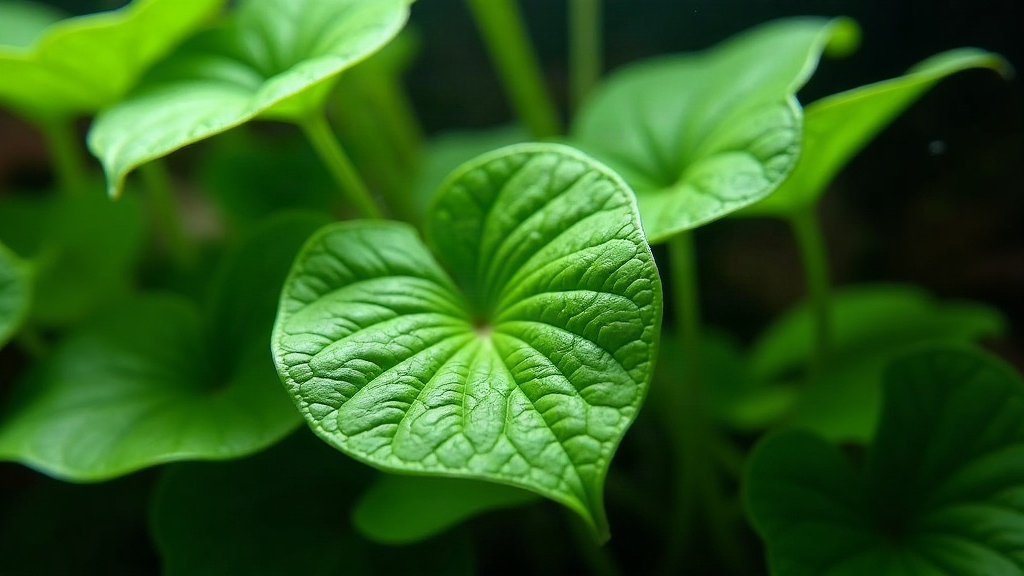
Tiny Holes in Anubias Leaves: Potassium Deficiency or Snails?
Tiny holes appearing in your Anubias leaves usually point to one of two things: potassium leaching out of the leaf tissue from the inside, or a snail grazing the surface from the outside. The reassuring part is that these two causes leave completely different fingerprints. Once you know what to look for, you can usually tell them apart in under a minute.
Why Anubias Is Prone to Pinholes
Anubias has a reputation for being nearly indestructible, and that’s exactly why pinholes stand out so much when they show up. The leaves are thick and leathery, resistant to melting, resistant to algae smothering, resistant to most of the diseases that plague softer plants. So when damage actually appears, it’s almost always one of two things: a nutrient imbalance or a hungry invertebrate. And because Anubias grows so slowly (new leaves can take 3-4 weeks to unfurl), the damage sticks around for a long time. That’s actually useful for diagnosis. You get weeks, sometimes months, to study it closely before it disappears.
Potassium Deficiency: What It Actually Looks Like
Potassium deficiency doesn’t punch clean holes overnight. It creeps in. First you’ll notice small chlorotic (yellowish) spots or pinprick-sized translucent dots, and they tend to show up on older, mature leaves first, not the new ones. Give it a few weeks and those spots die off, the tissue crumbles, and you’re left with irregular holes rimmed in yellow or brown.
Key identifiers of potassium deficiency:
- Location: Concentrated on older leaves, not new growth.
- Pattern: Randomly scattered, no feeding trail to follow.
- Edges: Yellow, brown, or necrotic halo ringing each hole.
- Shape: Irregular, often starting as pinpricks that enlarge unevenly.
- Associated signs: Curled leaf edges, dark spots along the margins, or stunted new growth.
This shows up a lot in heavily planted, fast-growing tanks, the kind where stem plants like Rotala or Ludwigia are hoovering up nutrients and leaving slow-growing Anubias to fend for itself. It’s also common in tanks dosing only liquid carbon or nitrogen products without a dedicated potassium source. If you’re running EasyGreen or a similar all-in-one and skipping a K2SO4 dose, this is worth checking first.
Fix: Dose potassium sulfate (K2SO4) two to three times a week, targeting 10-20 ppm in the water column. A standard approach is 1/4 teaspoon per 10 gallons, adjusted based on test strips. Within 2-3 weeks new leaves should come in clean and spot-free. The already-damaged leaves won’t heal, though, so once fresh growth is established, just trim the old ones off.
Snail Damage: What Sets It Apart
Snail grazing looks different. Cleaner. More deliberate, almost surgical by comparison. Nerites, mystery snails, ramshorns, they all rasp algae and biofilm off the leaf surface using a radula, basically a tiny tongue covered in rows of microscopic teeth. On thinner spots in the leaf, that rasping can go all the way through and leave an actual hole.
Key identifiers of snail damage:
- Location: Can show up on any leaf, even the newest growth, especially wherever biofilm builds up.
- Pattern: Often clustered in patches or following a visible trail, almost like a snail left a map of where it’s been.
- Edges: Clean and smooth, no yellowing, no discoloration at all.
- Shape: Rounder, more uniform holes, sometimes just shallow etching rather than a full puncture.
- Associated signs: Fine scratch marks on the leaf surface, visible slime trails, or (the obvious giveaway) a snail actually sitting on the leaf.
If you spot shiny, scraped patches with zero yellow halo, or notice the worst damage is on leaves closest to the substrate (snails tend to patrol down low), you’re probably dealing with snails rather than a nutrient problem.
Quick Side-by-Side Comparison
| Clue | Potassium Deficiency | Snail Damage |
|---|---|---|
| Affected leaves | Older leaves first | Any leaf, often lower ones |
| Hole edges | Yellow/brown, necrotic | Clean, no discoloration |
| Pattern | Random scattering | Clustered or trail-like |
| Extra symptoms | Curled edges, stunted growth | Rasp marks, visible snails |
How to Confirm the Diagnosis
- Grab a flashlight and check at night. Most snails are nocturnal, so a 10pm check with the room lights off will often catch them in the act of grazing.
- Look closely at new growth. Clean, undamaged new leaves while older leaves show spotting? That’s snails. New leaves spotting too? That’s more likely a nutrient issue.
- Review your dosing routine. If nitrogen and phosphate are the only things going into the water column, with no potassium source at all, deficiency is probably playing some role even if snails are also present.
Treating Both Issues Together
It’s surprisingly common to have both problems at once. Snails often hitch a ride in on new plants right around the same time a tank is nutrient-poor, so the two causes overlap more often than you’d think. Tackle them together:
- Add a balanced potassium supplement to your fertilizing routine.
- Manually pull excess snails, or add assassin snails if the population has gotten out of hand.
- Trim the worst-damaged leaves so the plant can put its energy into new growth instead.
Conclusion
Pinholes in Anubias leaves look mysterious at first, but the clues are actually pretty consistent once you know what to check. Yellow-edged holes scattered randomly across older leaves: that’s potassium deficiency. Clean, round holes with rasp marks nearby: that’s snails. Check the leaf pattern, do a nighttime inspection, take a hard look at your fertilizing routine. Fix the right problem and within a few weeks you’ll see fresh, hole-free leaves pushing through.