Preventing Summer Algae Blooms in Low-Tech Nano Aquariums
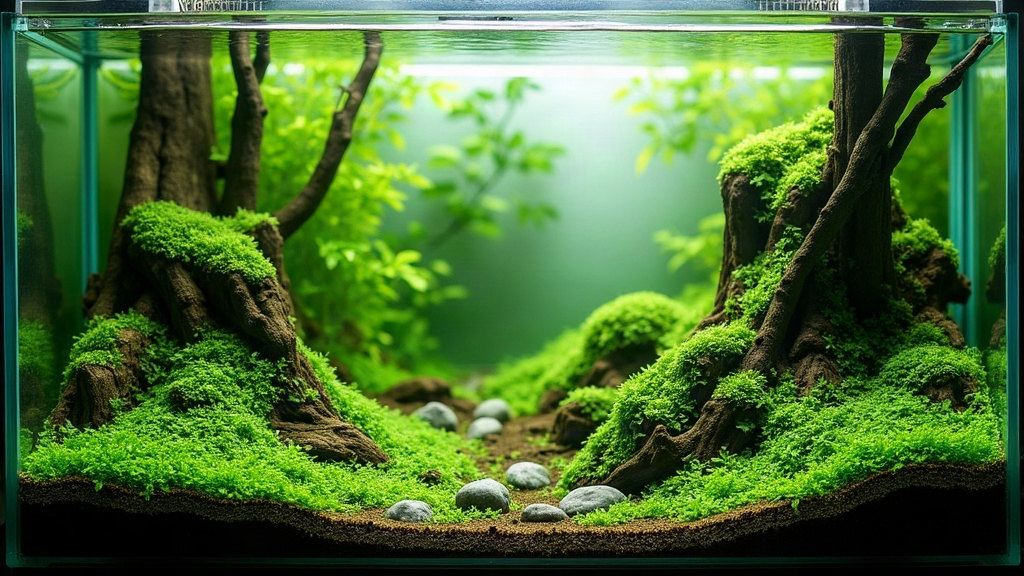
Summer is prime algae season in low-tech planted nano aquariums, and it catches even experienced hobbyists off guard. Longer daylight hours, warmer room temperatures, and the inevitable holiday-induced gap in maintenance all combine into a perfect storm for green water, hair algae, and those stubborn brown diatom films. The good news is that a few deliberate tweaks to light, nutrients, and flow will keep a small low-tech tank clear all summer, no CO2 injection or pricey gear needed.
Why Summer Makes Algae Worse
Nano tanks (5-20 gallons) get hit hardest because their small water volume amplifies every imbalance. Three things shift at once in summer:
- More ambient light. Sunlight through a window adds extra, unplanned hours of intensity, even if your tank light sits on a strict timer.
- Higher temperatures. Warmer water (78-82°F) speeds up algae reproduction and can quietly stress slower-growing plants.
- Vacation neglect. Irregular feeding and skipped water changes during travel season let nutrients pile up unchecked.
Algae doesn’t show up because you did something dramatically wrong. It shows up because light and nutrients are sitting there in excess of what your plants can actually use.
Control Light First
Light is the single biggest lever you have in a low-tech tank, full stop.
- Keep photoperiods short and consistent. 6-7 hours a day is plenty for most low-tech setups. Put the light on an outlet timer so it never drifts, especially while you’re traveling.
- Block window sunlight. Move the tank away from direct exposure, or close a curtain during the peak afternoon hours. Even indirect summer sun can double your effective light intensity without you noticing.
- Skip the “just in case” boost. Cranking up the light to help a slow grower almost always feeds the algae faster than it feeds the plant.
Already fighting an outbreak? Cutting the photoperiod to 5 hours for two weeks often resets the whole balance without hurting healthy plants.
Manage Nutrients Carefully
Low-tech tanks run on fish waste and light dosing, so summer feeding habits matter more than people think.
- Feed less, not more. Warmer water speeds up fish metabolism, sure, but overfeeding is still the number one cause of nutrient spikes. Stick to what fish clean up in 2 minutes, once a day.
- Keep water changes on schedule. A weekly 20-30% change dilutes nitrates and phosphates before algae gets the chance to use them.
- Don’t overfeed the cleanup crew. Shrimp and snails need almost no extra food in summer. Algae and biofilm cover most of their needs already.
Support Plant Growth to Outcompete Algae
Healthy, actively growing plants are your best long-term defense, because they’re pulling from the same nutrient pool as the algae.
- Trim regularly. Pull dying or yellowing leaves as soon as you spot them. Decaying plant matter leaks nutrients straight into the water column.
- Use root tabs for heavy feeders. Swords, crypts, and similar root feeders do better with tabs even in a low-tech setup, keeping nutrient uptake steady rather than spiky.
- Throw in fast-growing stems. Hornwort, water sprite, pearlweed and the like soak up excess nutrients quickly and are easy to prune back when they take off.
Build a Cleanup Crew
A small but effective crew keeps algae in check between your maintenance sessions:
- Nerite snails. Great at mowing down diatoms and soft algae films, and they won’t take over your tank with babies.
- Amano shrimp. Reliable hair-algae grazers, and they punch above their weight in a nano tank.
- Otocinclus catfish (10 gallons and up). Excellent on glass and leaf surfaces, but they need an established biofilm to actually thrive, don’t add them to a brand-new tank.
What to Do When Algae Already Appears
- Green water: Blackout the tank for 3-4 days (cover it completely, zero light), paired with a water change both before and after.
- Diatoms (brown dust): Usually resolves on its own in new tanks. Wipe the glass, keep the light modest, and give it time.
- Hair/thread algae: Pull out as much by hand as you can, then cut the photoperiod and add fast-growing stems to starve it of nutrients.
Conclusion
Summer algae blooms in low-tech nano tanks almost always come down to a light-and-nutrient imbalance, made worse by the season. Keep the photoperiod short and steady, block that extra window light, feed conservatively, stay on top of water changes, and give your plants what they need to grow fast. Do that, and your tank stays clear straight through the hottest months, no CO2 system required.