Safely Transitioning a Walstad Aquarium Through Its First Winter
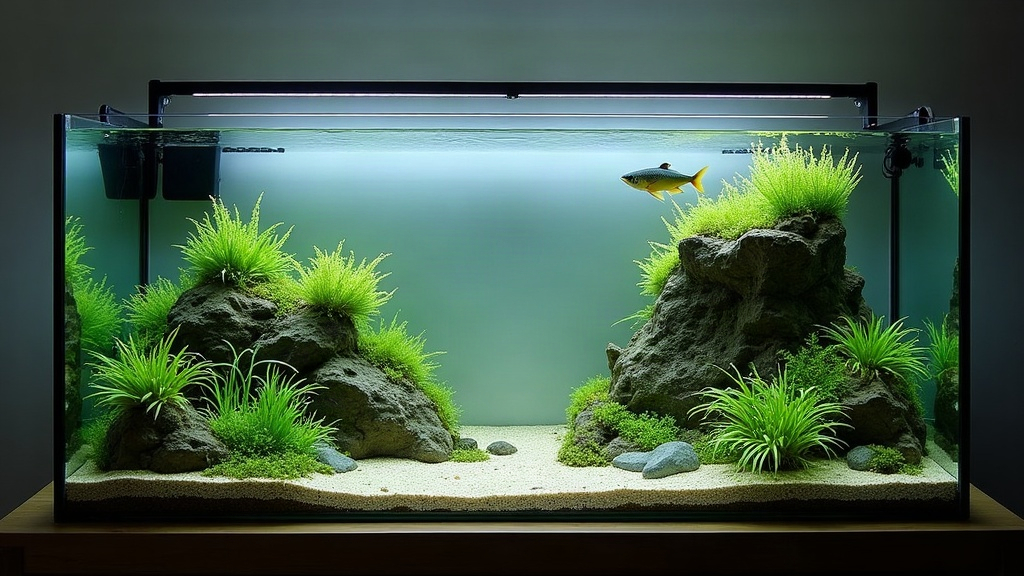
Your first winter with a Walstad aquarium can feel like stepping into unfamiliar territory. These soil-based, low-tech setups run on biological balance rather than constant mechanical babysitting, so seasonal temperature drops, shorter daylight hours, and the on-off cycling of your home heating can quietly throw off an ecosystem you’ve spent months building. The good news? A handful of proactive tweaks will get your tank through the cold months without drama.
Why Winter Is a Vulnerable Time for Walstad Tanks
The Walstad method leans on a fragile relationship between soil, plants, bacteria, and the fish themselves. Compare that to a high-tech tank running CO2 injection and strong filtration, and you’ll see the difference: those systems can self-correct fast. A Walstad tank can’t. It just doesn’t have the mechanical backup.
Three stressors tend to show up once the temperature drops:
- Ambient temperature swings caused by your furnace or heater cycling on and off
- Shorter daylight hours, which mess with your lighting schedule and, by extension, plant growth
- Drafts near windows or doors, a real problem if the tank sits against an exterior wall
Even a two or three degree fluctuation can slow bacterial activity in the substrate, stress your fish, and stunt plants. Stability, more than anything else, is what you’re protecting.
Step 1: Stabilize Water Temperature
Most Walstad tanks hold tropical or subtropical species that do best between 72–78°F (22–26°C). If your house gets chilly overnight once the heat kicks down, get a reliable heater sized properly for your tank, and back it up with an external thermometer so you’re not just trusting the heater’s dial.
A few things that actually help:
- Keep the tank away from exterior walls, windows, and radiators (a cold windowsill in January can pull heat out of a 20-gallon tank faster than you’d think)
- Size your heater for about 25% more wattage than the “standard” gallon-to-watt chart suggests, since a cold room demands more output to hold steady
- Check the thermometer twice a day for the first two weeks of cold weather, morning and night, so you catch problems before they become a crisis
Don’t lean on your home’s heating system alone. A Walstad tank with no supplemental heater is in real trouble once outdoor nighttime temps start dropping hard.
Step 2: Adjust Lighting Gradually
Winter daylight plays tricks on your plants, especially if the tank picks up any ambient sunlight from a nearby window. Here’s the catch: even if your artificial light timer runs the exact same hours as always, your plants are likely getting less total light energy once the sun sets at 5pm instead of 8pm.
What actually works:
- Add 30 to 60 minutes of artificial light if you notice slower growth or leaves turning pale
- Stick to a consistent on/off schedule. Both plants and fish use that routine as a metabolic cue, so random changes confuse them
- Watch for algae if you bump up the light too fast; ease into any increase over one to two weeks rather than flipping a switch overnight
Step 3: Monitor Plant and Bacterial Activity
Cold water slows photosynthesis and bacterial metabolism alike, and that combination can cause a temporary spike in ammonia or nitrite if your biofilter hasn’t caught up yet. Tanks under six months old are especially at risk here.
Keep an eye out for:
- Yellowing or melting leaves on stem plants like Rotala or Ludwigia
- Cloudy water, often a sign of a bacterial bloom reacting to the temperature shift
- Fish gasping at the surface, which usually points to low oxygen or rising ammonia
Test your water weekly through that first winter, even if the tank’s been rock solid for months. A simple liquid test kit for ammonia, nitrite, and nitrate works as your early warning system, and five minutes of testing beats a dead fish on Monday morning.
Step 4: Feed Less, Not More
Fish metabolism drops even with a one or two degree dip in water temperature. Overfeeding in winter is probably the single most common mistake new Walstad keepers make. The extra food turns into extra waste, and your slower microbial crew simply can’t keep up with it.
- Cut feeding by roughly 25–30%
- Pull out any uneaten food within 10 minutes so it doesn’t sit there rotting
- Watch how your fish actually behave. Sluggish fish do better with smaller, easier-to-digest portions rather than their usual amount
Step 5: Avoid Unnecessary Water Changes
Minimal intervention is the whole point of the Walstad method. So during winter, fight the instinct to do a big water change unless your test results actually show a problem. A large change can shock the tank with a sudden temperature swing, and that risk climbs fast once your tap water and room temperature start diverging by 10 degrees or more. If you do need to change water, check the new water’s temperature against a thermometer first and match it closely before pouring it in.
Conclusion
A Walstad aquarium’s first winter doesn’t have to be a nail-biter, for you or your fish. Stabilize the temperature, fine-tune your lighting, keep an eye on subtle shifts in plant and water health, dial back feeding, and skip the unnecessary water changes. Do that, and you give your tank’s self-sustaining ecosystem the room it needs to adjust naturally to the season. Stay patient and watchful, and your low-tech setup will come out the other side of winter healthier and more balanced than it went in.