How to Cycle a Nano Cube Using Seachem Stability Without Ammonia
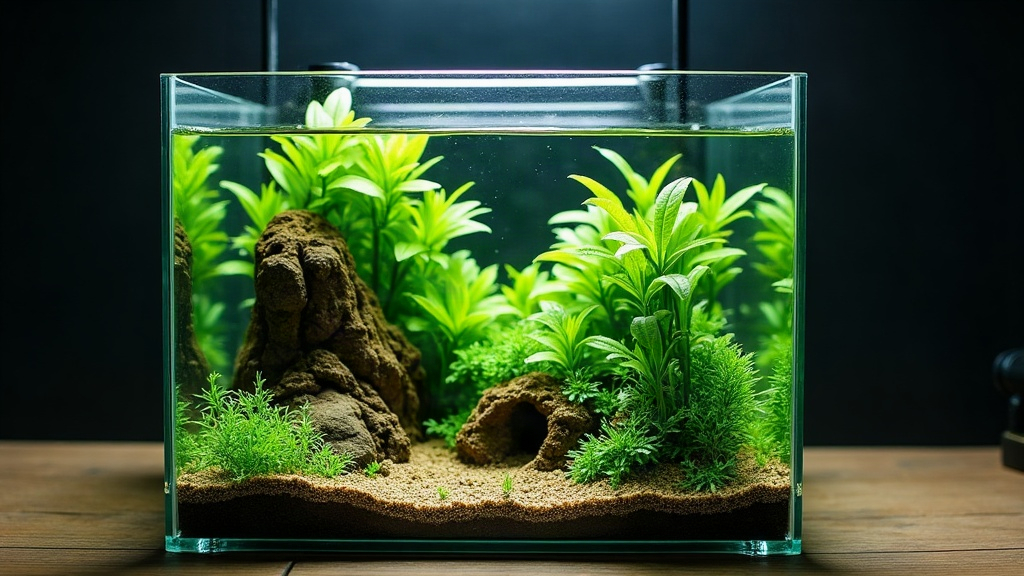
Cycling a nano cube with Seachem Stability and no ammonia dosing works by seeding the tank with live bacteria and feeding them a light, steady diet of fish food or a tiny bioload, instead of measuring out pure ammonia by hand. Beginners gravitate toward this approach because it feels less like a chemistry experiment and more like just… running a tank. That matters a lot in small setups (5-20 gallons), where a dosing slip-up doesn’t just nudge the water chemistry, it can wreck it. Here’s the full walkthrough, step by step.
Why Skip Ammonia Dosing in a Nano Tank?
Nano cubes don’t forgive mistakes the way a 55-gallon tank does. Add a fraction too much pure ammonia to a 6-gallon bowl and you can blow past safe levels in minutes, and let’s be honest, most first-time fishkeepers don’t have a reliable ammonia source sitting around, let alone a precise test kit to catch errors before they matter. Seachem Stability sidesteps that risk. The bottle contains a blend of live, non-pathogenic bacteria (including strains built to process ammonia and nitrite) that kickstart the nitrogen cycle when you pair it with a small, consistent food source rather than a chemical.
One thing worth being clear about: this isn’t “instant” cycling. It’s an accelerated, bacteria-assisted process that still needs real time to mature.
What You’ll Need
- Seachem Stability
- A liquid test kit (the API Freshwater Master Test Kit is a solid, affordable choice)
- A small amount of fish food, or a few hardy livestock (optional, more on that below)
- Patience. Budget 2-4 weeks minimum, and don’t fight the timeline.
Step-by-Step: Cycling With Stability, No Ammonia
1. Set Up the Tank Completely
Get everything in place first: substrate, decor, heater, filter media. Fill with dechlorinated water, then let the filter and heater run for a full 24 hours so temperature and flow settle down before you add anything biological.
2. Add the First Dose of Stability
Follow the bottle’s initial dosing schedule, which is usually 5 mL per 10 gallons daily for the first week in a brand-new aquarium. On a 10-gallon nano cube, that works out to about 5 mL a day.
3. Introduce a Food Source
Here’s the catch: no ammonia dosing means the bacteria have nothing to eat unless you give them something. A few options that work well:
- Drop in a pinch of fish food every 1-2 days and let it break down naturally in the tank.
- Toss in a small piece of raw, unshelled shrimp. It decays and generates ammonia organically, almost like a slow-release tablet.
- If you’re planning to stock right away and lightly, 1-2 tough livebearers can act as a low, steady ammonia source themselves. This one comes with a warning: only try it if you’re willing to test water daily and do an emergency water change on short notice.
4. Continue Daily Dosing for One Week
Stick with the daily Stability dose exactly as directed. This keeps the bacterial population strong and constantly topped up while the colony works on establishing itself across your filter media and substrate.
5. Switch to Reduced Dosing
Once week one is done, drop down to the maintenance dose, typically 5 mL per 10 gallons weekly (check your bottle to confirm), and keep that up for another 1-3 weeks.
6. Test Water Parameters Every 2-3 Days
Watch three numbers closely:
- Ammonia: should stay low and keep trending toward zero
- Nitrite: often spikes temporarily while bacteria are establishing, then drops off
- Nitrate: should start showing up as the cycle progresses, which is your proof that bacteria are actually converting waste
A finished cycle looks like this: ammonia at 0, nitrite at 0, and nitrate present and measurable.
How Long Does It Actually Take?
Even with Stability doing the heavy lifting, plan on 2 to 4 weeks before a nano cube fully cycles this way. Bacteria still have to physically colonize surfaces, there’s no shortcut around that. Stability speeds up colonization, sure, but it doesn’t erase the biological clock entirely.
Common Mistakes to Avoid
- Overfeeding to force ammonia production. In a small tank, excess food fouls the water faster than the bacteria can keep up with it. That’s a losing trade.
- Skipping water tests. Without ammonia dosing to give you a known baseline, testing is really your only window into what’s happening in the tank.
- Adding fish too early. Wait for zero ammonia, zero nitrite, and stable nitrate across several consecutive tests, not just one lucky reading.
- Overdosing Stability. Doubling up doesn’t double your speed. Follow the label, resist the urge to “help it along.”
Is This Method Better Than Ammonia Dosing?
Better isn’t quite the right word, it’s just a different trade-off. Ammonia dosing hands you precise, measurable control over exactly where the cycle stands at any given moment. The Stability-only route is friendlier if you’re not comfortable handling chemical ammonia, but it asks for more patience and more careful observation, since you’re leaning on organic waste rather than a known quantity.
Conclusion
Cycling a nano cube with Seachem Stability and no ammonia dosing is a genuinely beginner-friendly route to a healthy tank, as long as you back it up with a light, steady food source and regular testing. Give it the full 2-4 weeks, don’t rush fish in early no matter how tempting it is, and let your test kit, not the calendar on your wall, decide when the tank’s actually ready.