Sponge Filter vs Internal Filter for a Betta Grow-Out Tank
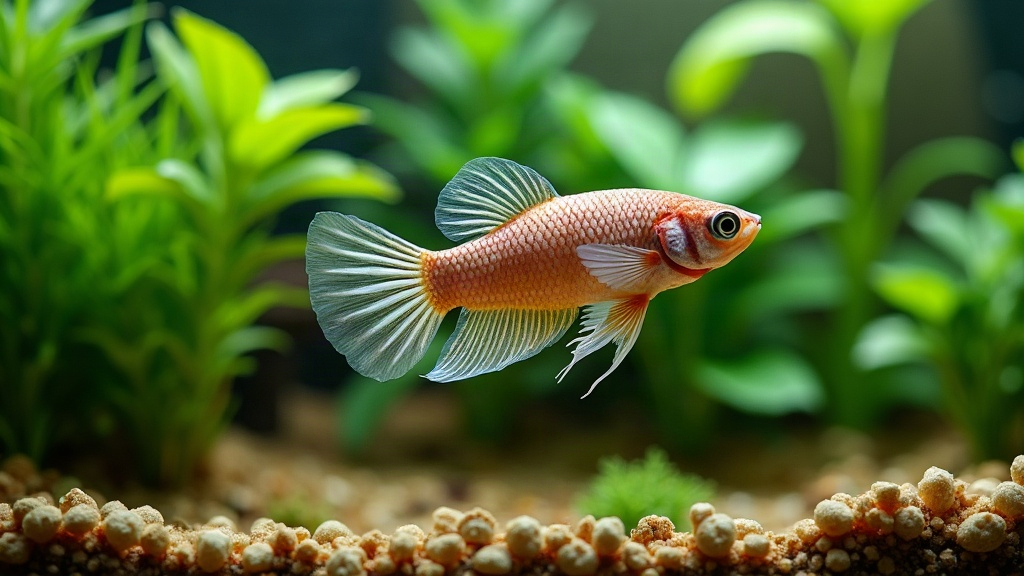
If you’re raising betta fry past the free-swimming stage, the choice between a sponge filter and an internal filter isn’t cosmetic. It directly affects whether your fry survive. The short answer: sponge filters win for almost every grow-out scenario because of their gentle flow and safe intake, while internal filters only make sense once your bettas are larger juveniles (2+ months old) and you need stronger mechanical filtration or more tank turnover.
Why Flow Control Matters More Than Filter Power
Betta fry are weak swimmers for the first several weeks of life. A filter that’s too powerful can:
- Suck fry directly into the intake, killing them instantly
- Exhaust fry that constantly fight current, stunting growth
- Create surface turbulence that disrupts their labyrinth organ development (bettas need to breathe atmospheric air from calm surface access)
That’s why breeders almost universally start with sponge filters, switching to stronger filtration only once fry hit a safer size, usually around 6-8 weeks old and 0.5-0.75 inches long.
Sponge Filters: The Grow-Out Standard
A sponge filter uses an air pump to pull water through a porous foam sponge, providing both mechanical and biological filtration with almost zero suction risk.
Pros:
- Fry-safe by design. Foam pore size prevents intake injuries
- Massive surface area for beneficial bacteria, keeping ammonia and nitrite in check during heavy feeding
- Cheap ($5-12 per sponge, plus a basic air pump around $10-15)
- Easy to squeeze-clean in tank water without wiping out bacterial colonies
- Doubles as a seeded bio-filter you can move between tanks
Cons:
- Minimal current, so it doesn’t stir debris well in larger tanks (10+ gallons)
- Requires an air pump and airline tubing, meaning more equipment and more tubing to hide
- Less effective at polishing water clarity compared to mechanical filters with floss
Best for: 2.5-20 gallon grow-out tanks, from day-one fry through juveniles.
Internal Filters: When They Make Sense
Internal filters (submersible units with an impeller, like a small Aqueon or Tetra model) push more water volume and often include replaceable cartridges for mechanical filtration.
Pros:
- Stronger water turnover, useful in tanks 10 gallons and up once fish are juveniles
- No air pump needed; it’s a self-contained unit
- Cartridges trap uneaten food and debris better than sponges alone
- Some have adjustable flow dials
Cons:
- Intake slots can still injure or trap small fry if not baffled with a pre-filter sponge
- Flow is rarely adjustable low enough for fry under 4-6 weeks old
- Cartridge changes disrupt bacterial colonies faster than squeezing a sponge does
Best for: Older juvenile grow-out tanks (8+ weeks, 1+ inch fish) or adult holding tanks before rehoming.
A Practical Middle Ground: Modified Internal Filters
Many experienced breeders attach a pre-filter sponge over an internal filter’s intake once fry reach the juvenile stage. This gives you:
- The stronger flow and larger cartridge capacity of an internal filter
- The injury protection of a sponge barrier
This hybrid setup shows up a lot in 20+ gallon grow-out tanks housing 20-50+ juveniles, where bioload climbs fast and a sponge filter alone can’t keep pace with ammonia production.
Side-by-Side Comparison
| Feature | Sponge Filter | Internal Filter |
|---|---|---|
| Fry safety (0-6 weeks) | Excellent | Poor (without baffle) |
| Flow strength | Low | Medium-High |
| Biological filtration | Excellent | Good |
| Mechanical filtration | Fair | Good |
| Cost | Low ($15-25 setup) | Moderate ($15-30) |
| Noise | Air pump hum | Motor hum |
| Maintenance | Rinse in tank water | Replace/rinse cartridge |
Recommended Timeline for Betta Grow-Out Tanks
- Weeks 1-6 (fry): Sponge filter only, air pump on its lowest setting.
- Weeks 6-10 (juveniles): Keep the sponge filter. If bioload gets high, add a second sponge filter rather than switching filter types.
- Week 10+ (sub-adults, pre-jarring): Move to an internal filter with a pre-filter sponge if you want stronger clarity and turnover, especially in tanks over 15 gallons.
Conclusion
For a betta grow-out tank, sponge filters are the safer, cheaper, and more biologically effective choice during the critical fry and early juvenile stages. Internal filters earn their keep later, once fish are large enough to shrug off intake suction. Even then, pairing one with a pre-filter sponge gets you the best of both worlds: strong filtration without the injury risk. When in doubt, start gentle and only upgrade as your fry grow.