Best Inert Substrate Depth for Cryptocoryne in a 10-Gallon Tank
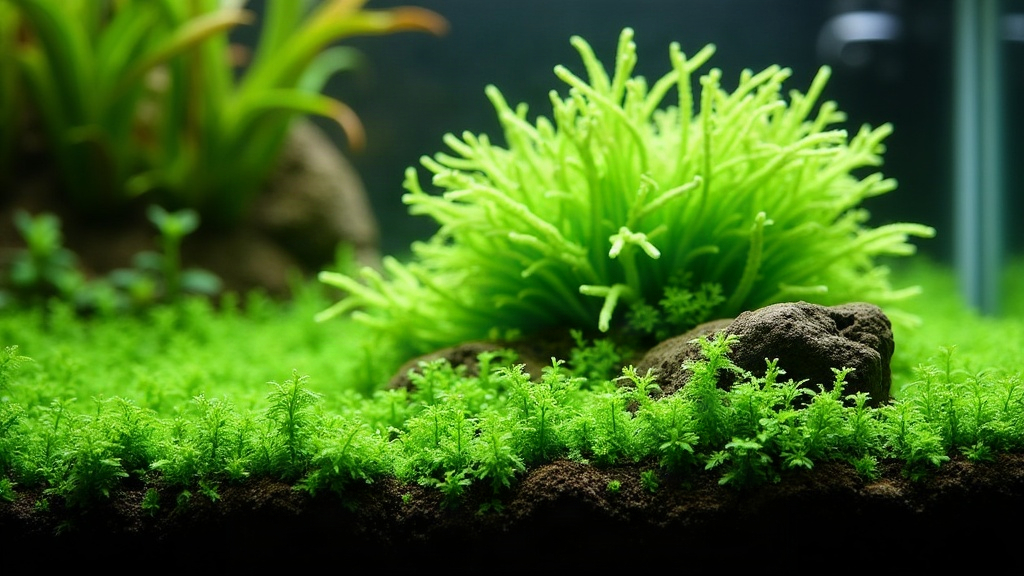
The best inert substrate depth for growing Cryptocoryne in a 10-gallon nano tank sits around 2 to 2.5 inches at the front, sloping up to 3 inches at the back. That’s the sweet spot: enough room for those roots to spread out and anchor themselves, without eating up so much water volume that your small tank feels cramped. Since inert gravel or sand doesn’t offer much in the way of nutrition on its own, you’ll want to pair this depth with root tabs and a steady fertilizing habit if you want the plants to actually thrive rather than just survive—a consideration equally important whether you’re running a sponge filter or hang-on-back filter setup.
Why Substrate Depth Matters for Cryptocoryne
Crypts are root feeders at heart. Sure, they’ll pull some nutrients from the water column too, but give them a stable, nutrient-loaded zone to dig into and you’ll see the difference within weeks.
Skimp on substrate depth and you’ll likely run into trouble. Watch for:
- Plants that keep popping back up after you’ve just planted them
- Growth that stalls out, or new leaves that stay stubbornly tiny
- Roots that never really develop
- Deficiencies showing up even when you’re dosing liquid fertilizer on schedule
- Larger crypt species that just won’t stay put no matter how you wedge them in
More isn’t automatically better, though, especially in a tank this size. Pile on too much substrate and you lose swimming room, the hardscape starts looking oversized and clunky, and if the material is fine enough, you risk compacted dead zones underneath.
So the target isn’t “as deep as possible.” It’s just deep enough for solid rooting, stable planting, and a place to tuck nutrients where the roots can find them.
The Ideal Inert Substrate Depth for a 10-Gallon Nano Tank
Most nano aquascapes look and function better with a gradual slope rather than one flat, even layer front to back.
Recommended depth layout
- Front glass: 2 inches
- Middle area: 2.5 inches
- Back planting zone: 3 inches
- Behind large rocks or wood: up to 3.5 inches, if the composition calls for it
This setup works nicely for the crypt varieties most nano-tank keepers reach for:
- Cryptocoryne wendtii Green
- Cryptocoryne wendtii Brown
- Cryptocoryne lucens
- Cryptocoryne parva
- Cryptocoryne undulata
- Cryptocoryne lutea
That slope does double duty, honestly. It tricks the eye into thinking the 10-gallon is deeper than it is, and it gives your rooted plants extra breathing room toward the back and midground.
Does Sand or Gravel Change the Required Depth?
It does, yes. Grain size changes how freely roots can push through and how tightly everything packs down.
Fine inert sand
Fine sand holds crypts well enough, but it compacts faster than gravel does, so keep it in the 2 to 3 inch range and be careful not to bury the crown in the process.
If you’re working with very fine sand, only stir the open, unplanted patches during cleanup. Leave established crypt roots alone. They don’t like being disturbed once they’ve settled in.
Small gravel or planted-tank gravel
Fine gravel, somewhere around 1 to 3 mm, tends to be the easiest inert option for crypts. Water can still move through it around the roots, yet it holds plants firmly in place.
A bed of 2.5 to 3 inches of this gravel works great for a densely planted 10-gallon.
Large gravel
Chunky, rounded gravel leaves bigger gaps between pieces. Roots can still grow through it, but root tabs tend to dissolve away faster instead of feeding the surrounding zone properly. Going this route? Aim for about 3 inches in your main crypt planting area to compensate.
How Much Substrate Does a 10-Gallon Tank Need?
A standard 10-gallon runs roughly 20 by 10 inches on the bottom. Averaging around 2.5 inches deep across that footprint, you’re looking at:
- Roughly 10 to 15 pounds of gravel
- Roughly 12 to 18 pounds of sand, give or take depending on grain size and how steep you want the slope
Grab a bit extra if you’re planning a dramatic rear slope, want to hide rock bases completely, or intend to build up raised planting mounds.
One tip before you fill the tank: mist the substrate lightly and shape your slope while it’s still dry. Way easier to judge whether the hardscape looks right this way than draining and redoing it after the water’s in.
Using Root Tabs With Inert Substrate
Inert substrate has one real strength: it’s predictable and won’t shift chemistry on you. The tradeoff is that it holds none of the nutrient reserves you’d get from an active aquasoil. That’s exactly why root tabs aren’t optional here, they’re basically mandatory for keeping crypts fed long-term.
For a 10-gallon nano setup, a simple routine works fine:
- Drop one root tab near each established crypt clump.
- Push tabs 1 to 2 inches below the surface.
- Space them a few inches apart rather than clustering several under one plant.
- Swap them out every 8 to 12 weeks (check the product label for specifics).
- Go lighter on tabs in a freshly planted tank that only has a handful of small crypts so far.
One thing to avoid: don’t jam root tabs right up against the glass. Leaving a small gap keeps the nutrients concentrated where roots actually reach, and it saves you from digging around the glass edge later during maintenance.
How to Plant Cryptocoryne Correctly
Getting the depth right only gets you halfway there. Planting technique matters just as much.
Keep the crown above the substrate
The crown is where leaves meet roots, that little junction point. Bury the roots fully, sure, but leave the crown sitting right at or just above the surface. Bury it too deep and it can rot, particularly in a tank that’s still cycling or freshly set up.
Trim damaged roots lightly
Got a new plant with roots that look long, tangled, or beat up from shipping? Trim only the clearly damaged bits. Healthy roots left intact will help the plant settle in faster than starting from scratch.
Expect crypt melt
Crypts have a habit of dropping leaves after a move, whether from a nursery, a shop tank, or another aquarium. Everyone calls it “crypt melt.” It looks like disaster the first time you see it, but nine times out of ten it’s just the plant reacting to a change in water chemistry, not a sign it’s dying.
Best move: leave it rooted where it is, snip off the mushy leaves as they go, keep your water parameters steady, and give it a few weeks. New growth usually pushes up from the crown once the roots catch up with their new environment.
Lighting and Water Conditions for Healthy Crypts
Good news here: crypts are practically made for low-tech nano tanks. Most varieties couldn’t care less about injected CO2 or blazing-bright lights.
For a 10-gallon, aim for something like:
- Low to moderate LED lighting
- A 6 to 8 hour photoperiod each day
- Steady temperature, 72 to 78°F
- Gentle flow, nothing turbulent
- Weekly partial water changes
- Small, consistent fertilizer doses rather than big irregular ones
Crank the light too high and you’ll invite algae onto those slow-growing crypt leaves before the plant can even use it. If algae shows up, cut back the photoperiod first. Don’t reach for more fertilizer or more fish as your first fix.
Common Substrate Mistakes to Avoid
A handful of small missteps can quietly stall your crypts in a nano tank.
- Running less than 1.5 inches of substrate under rooted plants
- Planting the crown too deep
- Skipping root tabs entirely in fully inert gravel or sand
- Yanking established crypts out and moving them around too often
- Packing in an overly deep, compacted layer of ultra-fine sand
- Shaking up water parameters right while the plant is still adjusting
Patience really is the name of the game with Cryptocoryne. They’re not sprinters. But once one settles in and gets comfortable, it often turns into one of the most reliable, good-looking plants in the whole tank.
Conclusion
For most nano setups, the best inert substrate depth for growing Cryptocoryne in a 10-gallon tank comes down to a 2-inch front layer rising to roughly 3 inches at the back. Combine that stable base with regular root tabs, modest lighting, and a bit of patience, and your crypts should reward you with strong roots and lasting, healthy foliage.